
How to Choose the Right Lithium Forklift for Your Needs


In today's fast-paced industrial environment, choosing the right forklift can significantly impact your operational efficiency. Lithium forklifts, known for their durability and eco-friendly nature, are becoming increasingly popular. But how do you select the right model for your specific needs? This guide will help you navigate the key factors to consider.
Understand Your Operational Requirements
Before diving into the specifics of lithium forklifts, it's crucial to assess your operational requirements. Ask yourself:
- What type of materials will you be handling?
- What is the average weight of the loads?
- How often will the forklift be in use?
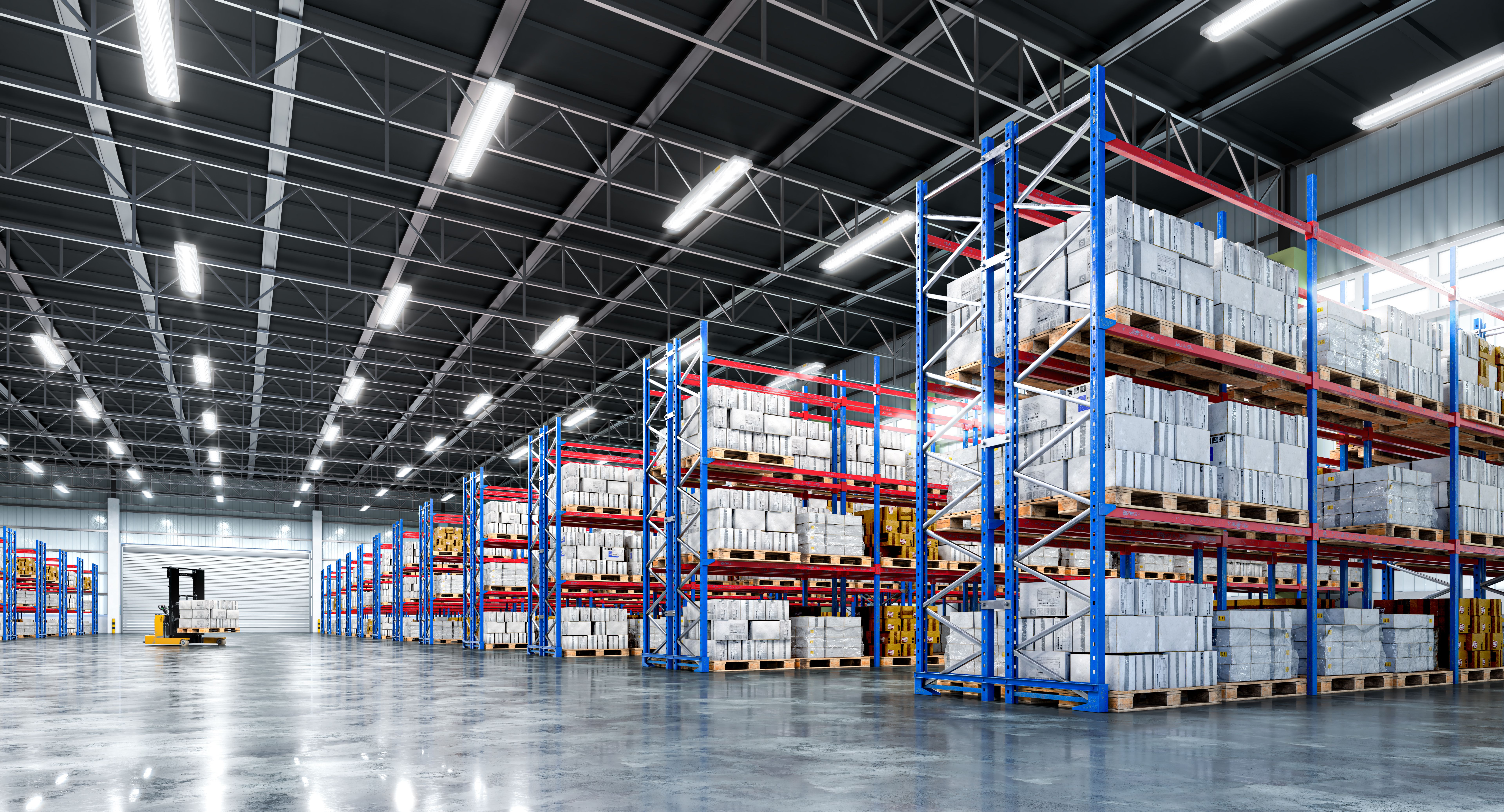
- What are the dimensions and layout of your workspace?
Answering these questions will help you determine the specifications needed in a forklift, such as load capacity, lift height, and turning radius.
Consider Battery Life and Charging Needs
Lithium-ion batteries are known for their long lifespan and fast charging capabilities. However, understanding your charging needs is essential. Consider the following:
- How long does your forklift need to operate on a single charge?
- Do you have the infrastructure for fast charging?
- Is opportunity charging—a method allowing short and frequent charging—an option for you?
Choosing a forklift with the right battery capacity can minimize downtime and maximize productivity.
Evaluate Environmental Conditions
The environment in which your forklift operates can affect its performance. If your operations are indoors, noise and emissions might be a concern. Fortunately, lithium forklifts are quieter and produce zero emissions compared to traditional options.
For outdoor use, consider weather conditions. Extreme temperatures can affect battery efficiency, so ensure the model you choose is suited for such environments.
Think About Maintenance and Support
One of the significant advantages of lithium forklifts is their low maintenance requirements. However, regular checks and manufacturer support are still necessary. Investigate:
- The availability of local service centers.
- The warranty terms and after-sales support.
- Ease of finding replacement parts if needed.
Having a reliable support system can save you time and money in the long run.
Budget Considerations
While lithium forklifts may have a higher upfront cost, they often offer savings over time due to reduced maintenance and energy costs. Assess your budget by considering:
- Initial purchase price.
- Potential savings on fuel and maintenance.
- Long-term value and ROI.
Finding the right balance between cost and benefits will ensure you make a sound investment.

Consult Experts and Gather Feedback
Finally, don't hesitate to consult with industry experts or peers who have experience with lithium forklifts. They can provide insights and feedback based on real-world use, helping you make a more informed decision.
By taking the time to understand your needs and thoroughly researching your options, you can confidently choose the right lithium forklift that enhances your operational efficiency and supports your business goals.