
Comparing Pedestrian and Lithium Forklifts: Which Is Right for You?


Understanding Pedestrian Forklifts
Pedestrian forklifts, also known as walkie stackers, are designed for operators who walk with the machine while handling loads. These forklifts are ideal for smaller warehouses or facilities with narrow aisles. They are often used for low-intensity tasks such as loading and unloading trucks or stacking pallets.
One of the main advantages of pedestrian forklifts is their compact design, which allows them to navigate tight spaces with ease. They are generally more affordable and require less maintenance than larger models, making them a cost-effective option for many businesses.
Features and Benefits
Pedestrian forklifts are typically powered by electric motors, making them environmentally friendly and suitable for indoor use. They usually come with ergonomic controls that minimize operator fatigue, enhancing productivity. Additionally, their simplicity in design means they require minimal training for effective use.
Exploring Lithium Forklifts
Lithium-ion forklifts represent the latest in forklift technology, offering a powerful alternative to traditional lead-acid battery models. These forklifts are suitable for a wide range of applications, from warehouse operations to outdoor tasks, thanks to their robust design and advanced features.
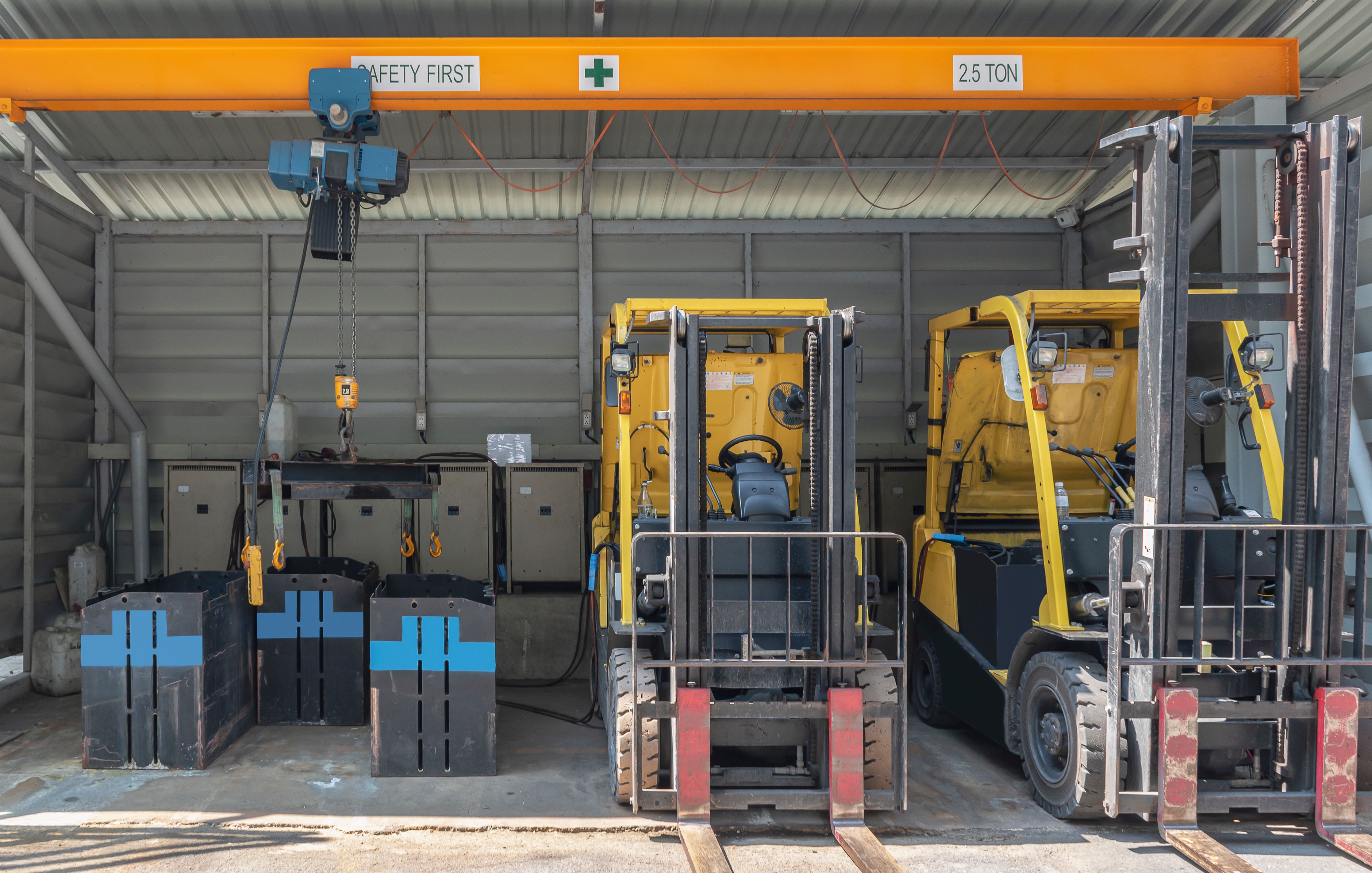
The primary advantage of lithium forklifts is their efficiency. They charge faster and last longer than traditional battery-powered models, reducing downtime and increasing operational efficiency. Moreover, lithium batteries are maintenance-free, eliminating the need for regular watering and equalizing.
Key Advantages
Lithium forklifts offer several benefits, including consistent power delivery and longer battery life. They are also more energy-efficient, reducing overall operating costs. With the ability to perform opportunity charging, lithium forklifts ensure that your operations remain uninterrupted throughout the day.
Comparing Cost and Maintenance
When considering the cost, pedestrian forklifts are generally more affordable upfront. However, their lower price point may come with limitations in terms of load capacity and speed. On the other hand, lithium forklifts, though initially more expensive, can offer long-term savings due to reduced energy consumption and maintenance needs.
Maintenance is another crucial factor. Pedestrian forklifts require regular checks, but their simpler design often translates to lower maintenance costs. In contrast, lithium forklifts, with their advanced technology, demand less frequent servicing, saving time and resources in the long run.
Choosing the Right Forklift for Your Needs
Deciding between pedestrian and lithium forklifts depends on several factors, including your operational requirements, budget, and facility layout. If your business involves frequent heavy lifting or requires extended operation hours, a lithium forklift might be the better choice. However, for smaller operations with budget constraints, pedestrian forklifts could be more suitable.
It's essential to assess your specific needs and consult with experts to make the most informed decision. By carefully considering the capabilities and limitations of each option, you can select the forklift that best aligns with your business goals.